PIE.

THE PONS PACK HAS A DOG.

Pons Inu.
Let it bake.

Meet $PIE, the Pons community dog with an onchain engine. Trading fees build liquidity and burn PIE. Zero operations cut.

$PIE · LIVE ON PONSRobinhood Chain

$PIE CONTRACT · ROBINHOOD CHAINPONS BONDING CURVE
0x893661f8f28a9d004AA034Ba75061aff0Ab88A25
Fees banked for the engine
—
Seed + keeper in
—
Paired with
USDG
Supply
1,000,000,000 PIE
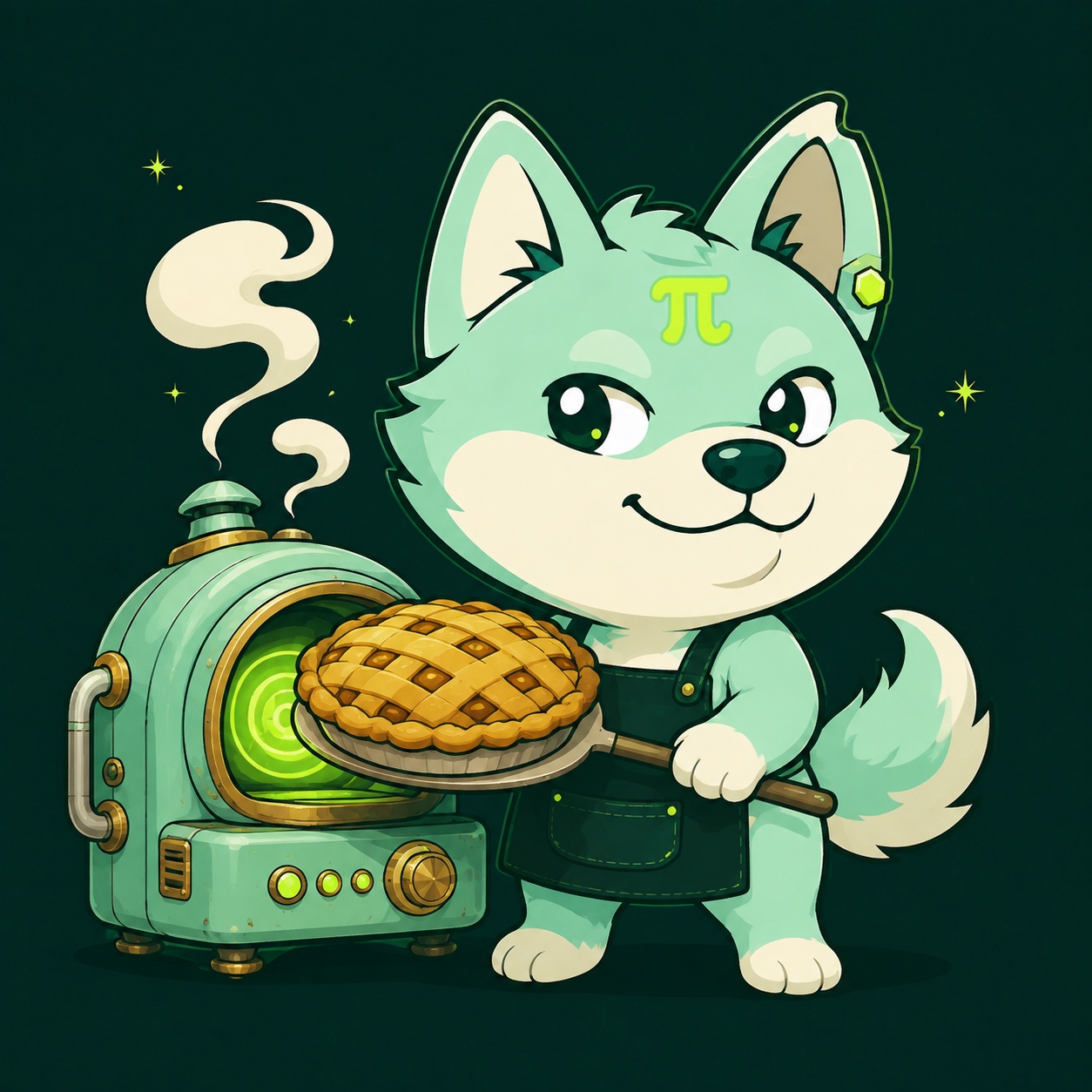
BAKED WITH PONS ENERGY PIE, the mint-green inu baker, pulling a golden pie from a glowing little engine oven GOOD DOG.
GREAT RECIPE.

01 / THE RECIPE

Two slices.
One PIE.

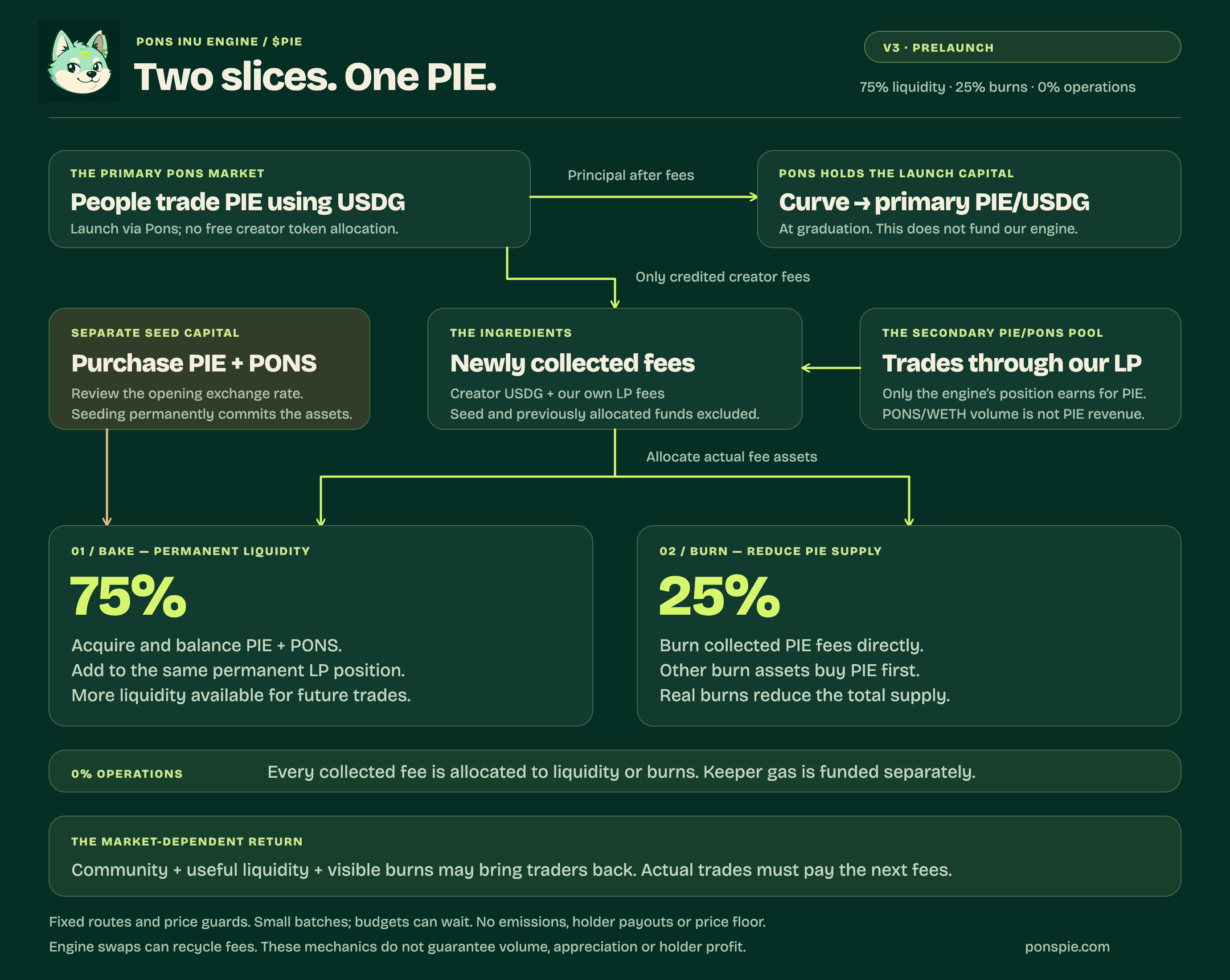
People trade PIE. The engine collects its share of the fees. Every collected fee gets a job.

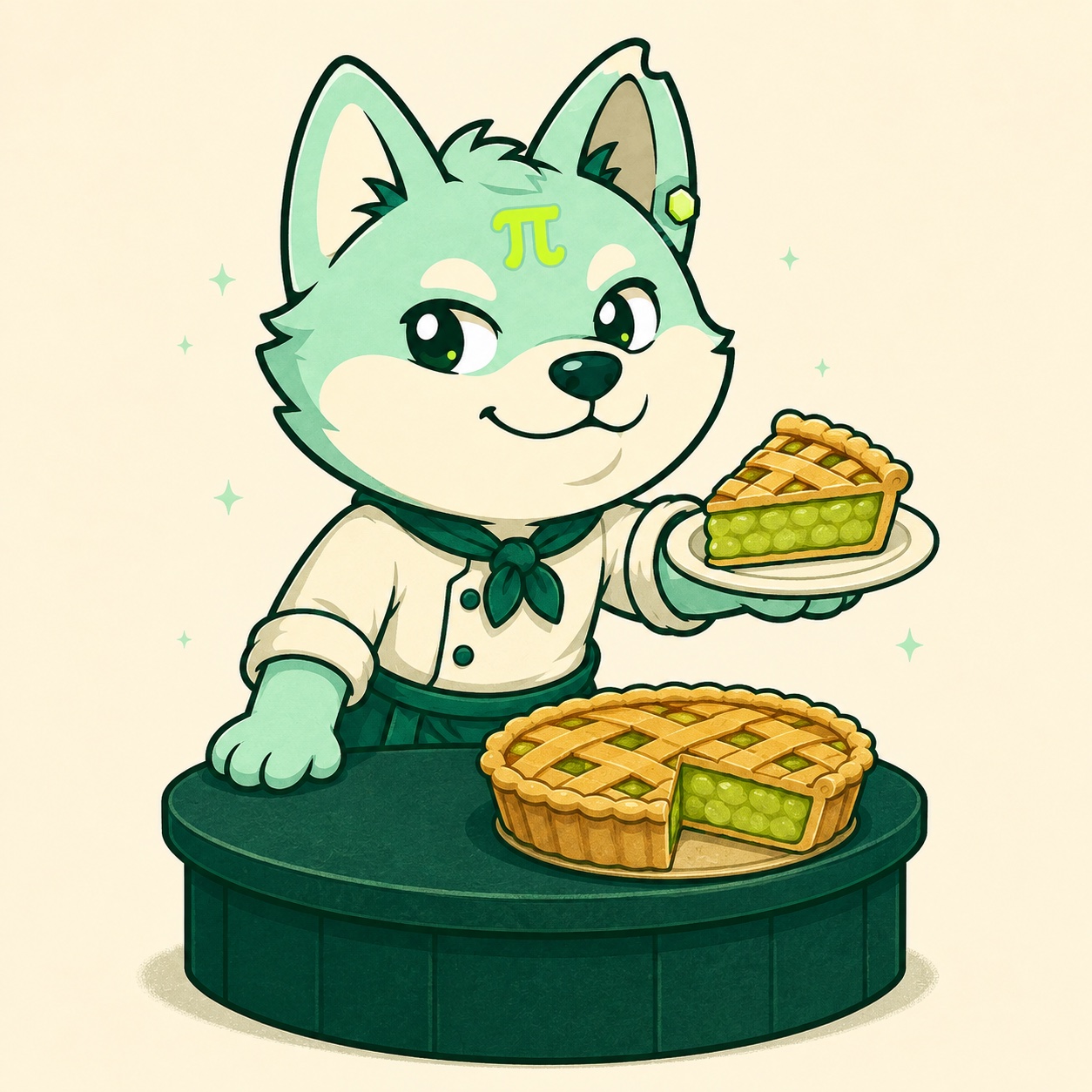
PIE serves a quarter slice beside the remaining three quarters of a golden pie
75 for the pool. 25 for the burn. A very good recipe.
THE LAUNCH RECIPETap a slice to see its job
01 / BAKE THE LIQUIDITY

More PIE + PONS in the pool.

Acquire and balance PIE and PONS, then add them to the engine’s permanent liquidity position. The contract keeps the LP; there is no withdrawal or upgrade path.

For every 100 in collected fees75 goes to liquidity

Launch recipe: 75% permanent liquidity · 25% PIE burns · 0% operations. Keeper gas is funded separately.

The split applies to each collected asset, before swap costs. Seed capital is separate. The 75/25/0 allocation is fixed in the deployed engine.

  1. 01

    Trade

    PIE trades generate the fees.

  2. 02

    Collect

    Creator credits + our LP fees.

  3. 03

    Bake + burn

    Permanent liquidity. Real burns.

  4. 04

    Show the work

    Follow the onchain receipts.

The next batch needs real trades. Liquidity and burns can support the market; they don’t guarantee new demand or a higher price.

02 / HOW THE ENGINE CONNECTS

Launch with USDG.
Bake with PONS.

One primary market. One dedicated engine position. Here’s how the funds move.

THE PRIMARY MARKET
PIE × USDG

Buy and sell on Pons.

PIE is live against USDG on the Pons launchpad. The launch capital stays with Pons’ curve and primary pool. Only creator fees credited to the engine enter its recipe. Launch fee recorded onchain: 4% creator + 1% Pons base = 5% per ordinary trade. The engine receives 4.7% of turnover with Pons buybacks off.

PONS LAUNCH → PRIMARY MARKET · LIVE

THE ENGINE’S OWN POSITION
PIE × PONS

Put the fees to work.

USDG fees convert through the existing USDG/PONS market. The engine buys, burns and adds liquidity in its separate PIE/PONS pool, collecting its own LP fee share.

0.3% POOL FEE · PERMANENT LP

The first batch needs its own ingredients. Purchased PIE and funded PONS seed the engine. Existing PONS liquidity doesn’t automatically fund a new PIE pool.

PIE × USDG LIVE ON PONS · ENGINE PAIR NOT SEEDED YET

Checking current Pons launch support…

Pons launch mechanics
The existing PONS marketLIVE REFERENCE

PONS / WETH

UNISWAP V3
PONS price
—
Pool liquidity
—
24h volume
—

PONS/WETH data from DEX Screener. These are PONS figures, separate from PIE token and engine activity.

03 / PROOF, FRESH FROM THE OVEN

Good dogs
keep receipts.

Checking engine status…

PIE is live on Pons and the engine is deployed on Robinhood Chain. Linking the token to the engine and seeding its liquidity are the next steps.

NEXT STEP · SEED LIQUIDITY + SET THE KEEPER—Counting down to the engine’s first ingredients.
FEES BANKED SO FAR—Creator fees credited to the engine, read live from the Pons fee escrow.
26 contract tests passed14 launch checks passedLocal fork evidence · read the report ↗
Completed cycles
—
PIE burned · total
—
PONS added to liquidity
—
PIE added to liquidity
—
See fee collection and burn accounting
PONS LP fees collected
—
PIE LP fees collected
—
Pons creator fees · USDG
—
PIE bought for burns
—
RECENT ENGINE CYCLESROBINHOOD CHAIN · 4663

No engine cycles yet. Verified transactions will appear here once the engine is linked, seeded and running.

Burns include PIE fees burned directly and PIE bought with the burn budget. Engine swaps can recycle its own fees; collected totals are not all new external income. Tests are not an independent audit.

04 / THE PONS PACK

Fresh art.
Same good dog.

A little mint. A little mischief. A whole lot of PIE. Take the mascot, make a meme, join the pack.

MEET THE BAKER↓ BOOP THE NOSE
Get the mascot
PIE rides a mint bakery scooter with a sidecar full of fresh pies
FRESH PIE. SPECIAL DELIVERY.GET THE ART ↓

SMALL ENGINE. CLEAR RULES.

A few things worth knowing.

Are the token and contracts live?

Yes. PIE is live on Pons, paired with USDG, with a fixed supply of 1,000,000,000 PIE. The engine is deployed on Robinhood Chain with its 75/25/0 allocation fixed, and the Pons launch record names the engine as the creator fee recipient. Linking the token to the engine, seeding the PIE/PONS position and setting a keeper are the remaining steps; the receipts panel reads their status directly from chain. Follow @ponsinuengine for project updates.

What does trading PIE cost?

The selected Pons launch uses a 4% added creator fee plus the current 1% base fee: 5% per ordinary buy or sell, excluding gas, price impact and the opening anti-snipe window. With Pons buybacks off, the engine receives the full 4% plus 70% of the base fee. Those terms are recorded in the onchain launch record: a 4% creator tax with Pons buybacks off. The separate PIE/PONS pool charges 0.3%; the Pons creator tax does not apply there.

Where do the fees go?

The deployed engine fixes the split at 75% permanent liquidity, 25% PIE burns and 0% operations. Only newly collected fees are split. PIE fees in the burn budget are burned directly; other burn assets buy PIE first. Pons keeps its own protocol share before creator credits reach this engine. The secondary pool earns only its position’s share of actual trading fees.

Who controls the liquidity?

Once seeded, the engine holds its PIE/PONS position permanently. There is no liquidity withdrawal, NFT transfer or upgrade function. The owner can set a keeper, pause compounding and transfer administration through two steps. Pausing does not unlock capital. A contract fault could strand funds.

How does it run with 0% operations?

The keeper’s gas is funded separately. No trading fees go to an operating reserve, the team or a keeper payout. The keeper triggers the contract’s fixed rules when fees, timing and price checks allow a cycle. The AI is PIE’s character; it does not control trades.

What keeps a cycle in bounds?

Swaps use fixed routes, a 30-minute price average, limited trade size and minimum output checks. There must be at least five minutes between cycles; volatility can require a longer wait. These checks reduce execution risk without eliminating manipulation. Fees, slippage and changing LP inventory still matter.

Does this guarantee a higher price?

No. The engine turns collected fees into liquidity and supply burns. Future demand still has to come from the market, and the liquidity position can lose value. No emissions, holder dividends, price floor or guaranteed returns are part of the recipe.

ONE GOOD DOG. A WHOLE PACK BEHIND IT.

You bring the woof.
We’ll bring the PIE.

PIE is out of the oven. Grab a slice on Pons, follow the build, and share the art.